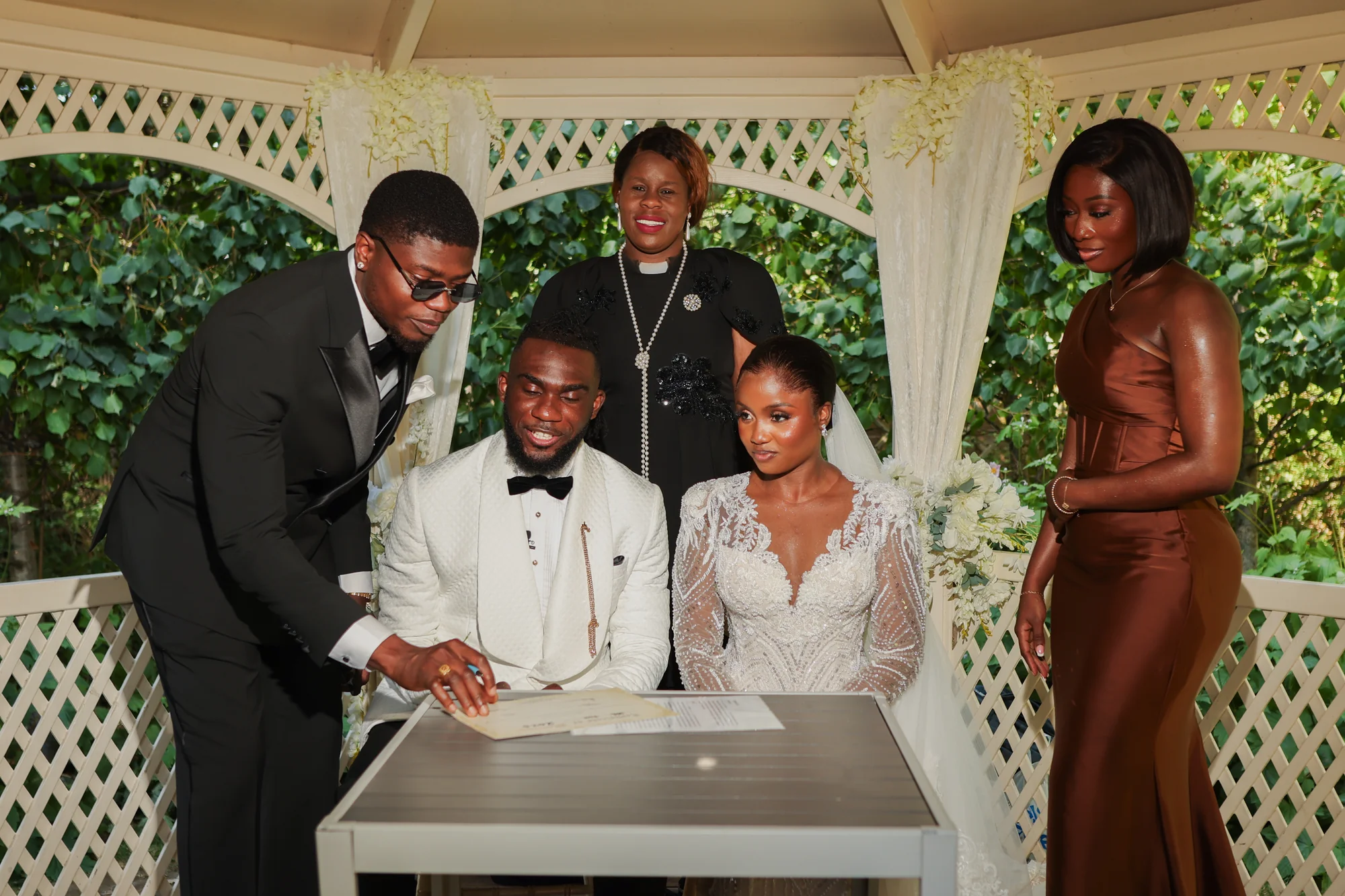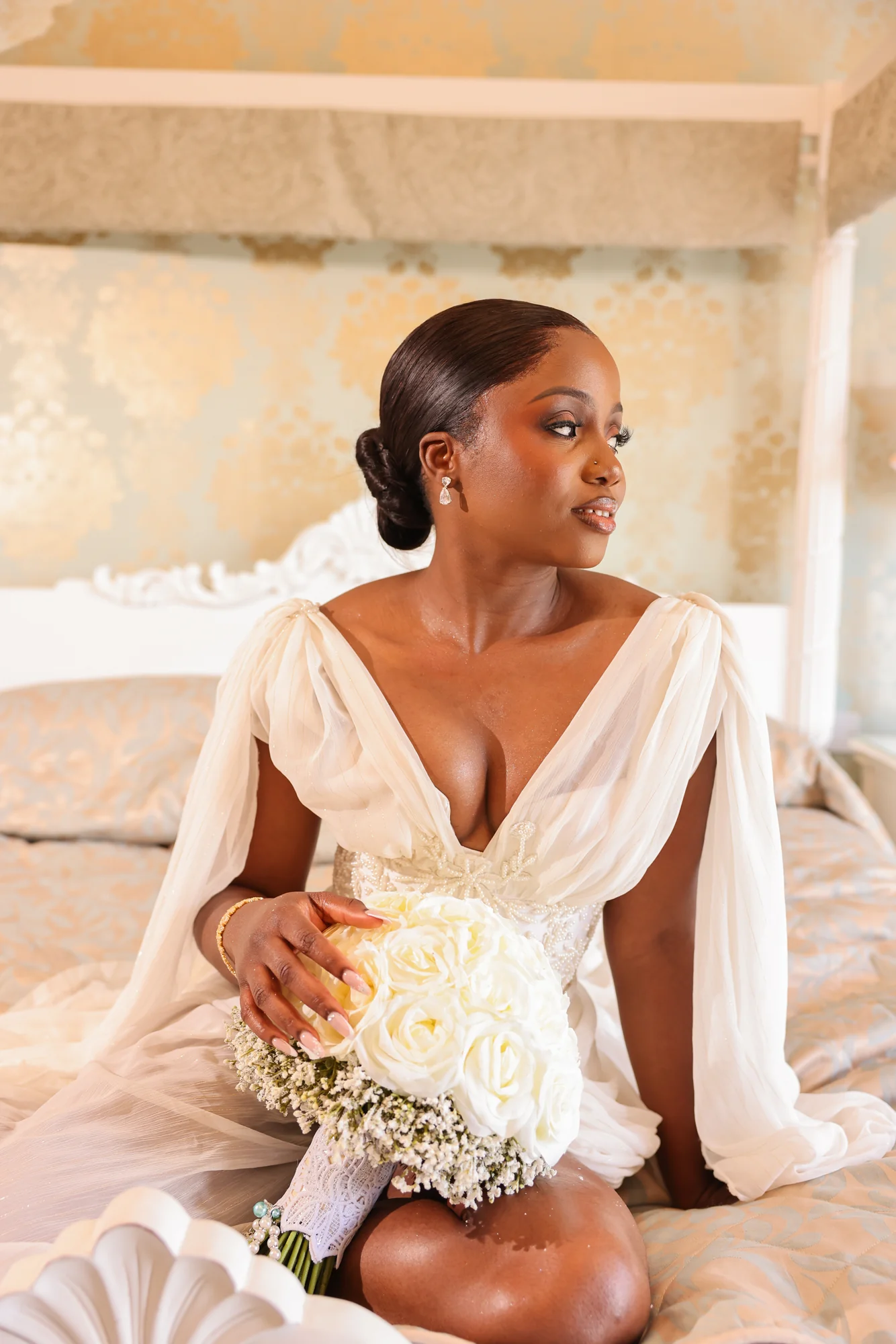

A good wedding photography timeline is built around three things: the moments that can’t move, the gaps where the day usually runs late, and the light. Get those right and your photographer can capture the day as it happens instead of chasing it. You don’t need to schedule every minute. You need to protect the few that matter most.
Every wedding is different. Use the timings below as a starting point and adjust them with your venue, celebrant and photographer.
The short answer
Lock in your fixed points first: ceremony time, meal time and sunset. Add 15 to 20 minutes of buffer after the ceremony, keep family groups short and planned, and save 10 to 15 minutes near sunset for portraits. Share the final timeline with your photographer, venue coordinator and whoever is gathering the groups.
Start with the fixed points
- Ceremony time. Everything before and after it is planned backwards and forwards from here.
- Meal time. Venues usually serve at a set time, which caps how long you have for groups and portraits.
- Sunset. It decides when golden hour portraits are possible, and it changes a lot between summer and winter.
- Cultural and religious moments. Ceremonies with several parts or several days need their own plan. See our Asian Wedding Photography Timeline guide.
- Venue restrictions. Some ceremony rooms limit photography during the service or set strict room turnaround times. Ask early.
Build in buffers
- After the ceremony. Congratulations, hugs and confetti always take longer than planned. Allow 15 to 20 minutes before anything else is scheduled.
- Before you leave for the ceremony. Hair, makeup and dressing are the most common causes of a late start.
- Between locations. If your ceremony and reception are at different venues, add travel time plus parking and arrival.
- Around family groups. One missing person can hold up every group. A named helper who knows the family fixes this.
Time the portraits to the light
- Keep the first couple portraits short. 20 to 30 minutes during the drinks reception means you still get time with your guests.
- Plan a golden hour window. 10 to 15 minutes outside close to sunset often gives the best portraits of the day.
- Check your date’s sunset. In Nottingham, sunset is after 9pm in midsummer and before 4pm in December, so winter weddings need portraits earlier.
- Have a wet-weather plan. Know your sheltered and indoor portrait spots before the day.
The best wedding timeline doesn’t control the day. It protects the moments you’d hate to miss.
A sample wedding photography timeline
Based on a 2pm ceremony with full-day coverage.
| Time | Moment | Allow |
|---|---|---|
| 10:30am | Photographer arrives, details and getting ready | 2 to 3 hours |
| 1:30pm | Final touches, leave for the ceremony | 30 minutes |
| 2:00pm | Ceremony | 30 to 60 minutes |
| 2:45pm | Confetti and congratulations | 15 to 20 minutes |
| 3:05pm | Drinks reception and candids | 1 to 1.5 hours |
| 3:15pm | Family groups | 20 to 30 minutes |
| 3:45pm | Couple portraits | 20 to 30 minutes |
| 4:30pm | Wedding breakfast | 1.5 to 2 hours |
| 6:30pm | Speeches | 30 to 45 minutes |
| Varies | Golden hour portraits | 10 to 15 minutes |
| 7:30pm | Cake cutting and first dance | 20 to 30 minutes |
| 8:00pm | Dance floor | 30 to 60 minutes |
What to do if the timeline slips
- Getting ready runs late. Your photographer shifts to details and guest arrivals, then catches up with portraits after the ceremony.
- The ceremony starts late. Shorten the drinks reception portraits, not the family groups. Family groups are harder to recreate.
- Family groups drag. Your named helper gathers the next group while the current one is being photographed.
- It rains. Move portraits to your planned sheltered spots and use any dry break for a quick outdoor window.
- The meal is called early. Move couple portraits to golden hour or between courses.
- Speeches overrun. Let your venue coordinator know so the first dance and evening coverage still fit.
The AOU Studio planning approach
We plan around your day, not a template.
- Before the wedding: We ask about your ceremony, culture, family and priorities, then build the photography plan around your fixed points.
- On the day: We photograph most of the day naturally, then step in with quick, clear direction for family groups and portraits.
- When things change: We adapt the plan on the spot, protecting the moments you told us matter most.
Common mistakes to avoid
- Mistake: Scheduling family groups straight after the ceremony. Better: Leave 15 to 20 minutes for congratulations first.
- Mistake: Listing 20 or more family groups. Better: Keep the formal list short and focused on close family.
- Mistake: Forgetting sunset. Better: Check your date’s sunset time and plan a short portrait window around it.
- Mistake: Planning back-to-back with no breathing room. Better: Add buffers where the day usually runs late.
- Mistake: Keeping the timeline to yourselves. Better: Share it with your photographer, venue coordinator and helpers.
Practical checklist
- Ceremony, meal and speech times confirmed with the venue
- Sunset time checked for your date
- Buffer added after the ceremony
- Family group list finalised and shared
- Named helper chosen to gather groups
- Travel time added between venues
- Wet-weather portrait spots agreed
- Ceremony photography rules checked
- Final timeline sent to your photographer and coordinator
Nottingham & Derbyshire notes
- City centre civil ceremonies. Ceremonies at places like Nottingham Council House can have short time slots, so plan a quick city portrait walk straight afterwards.
- Travel between venues. Moving from a city ceremony to a country house reception adds time. Allow for traffic and parking on top of the drive.
- Peak District venues. Country roads and changeable hill weather can slow the day. Build in extra buffer and a solid indoor plan.
- Winter weddings. Short daylight hours mean portraits need to happen soon after the ceremony.
How AOU Studio approaches this
We don’t believe a wedding should feel like a photoshoot with a party attached. Your timeline exists to protect the important moments, not to rush you between them. We plan the fixed points carefully so the rest of the day can unfold naturally, and we’ll quietly keep things on track so you can stay present with your people.
Frequently asked questions
How many hours of wedding photography do I need?
It depends on your ceremony, culture and how much of the day you want covered. Our How Many Hours of Wedding Photography guide walks through the options.
How long do family group photos take?
Plan for about 20 to 30 minutes. A short, prepared list and a named helper keep it moving.
When is the best time for couple portraits?
Take a short set during the drinks reception and a second set close to sunset if the light allows.
Should I share my timeline with my photographer?
Yes. Send it a few weeks before the wedding so your photographer can flag any gaps or timing issues.