
Documentary wedding photography captures your day as it happens, with little or no direction. Editorial wedding photography shapes images with clear direction, composition and light, often with a fashion-led feel. Neither is better. The right choice depends on how you want your day remembered, and many couples find the best coverage uses both.
Every photographer defines these styles a little differently. Look at full galleries to see how a photographer actually works.
The short answer
Choose documentary if you want real moments, natural reactions and very little posing. Choose editorial if you want polished, magazine-style portraits with clear direction. If you want both, look for a photographer who documents most of the day and steps in with direction for portraits and family groups.
What documentary wedding photography looks like
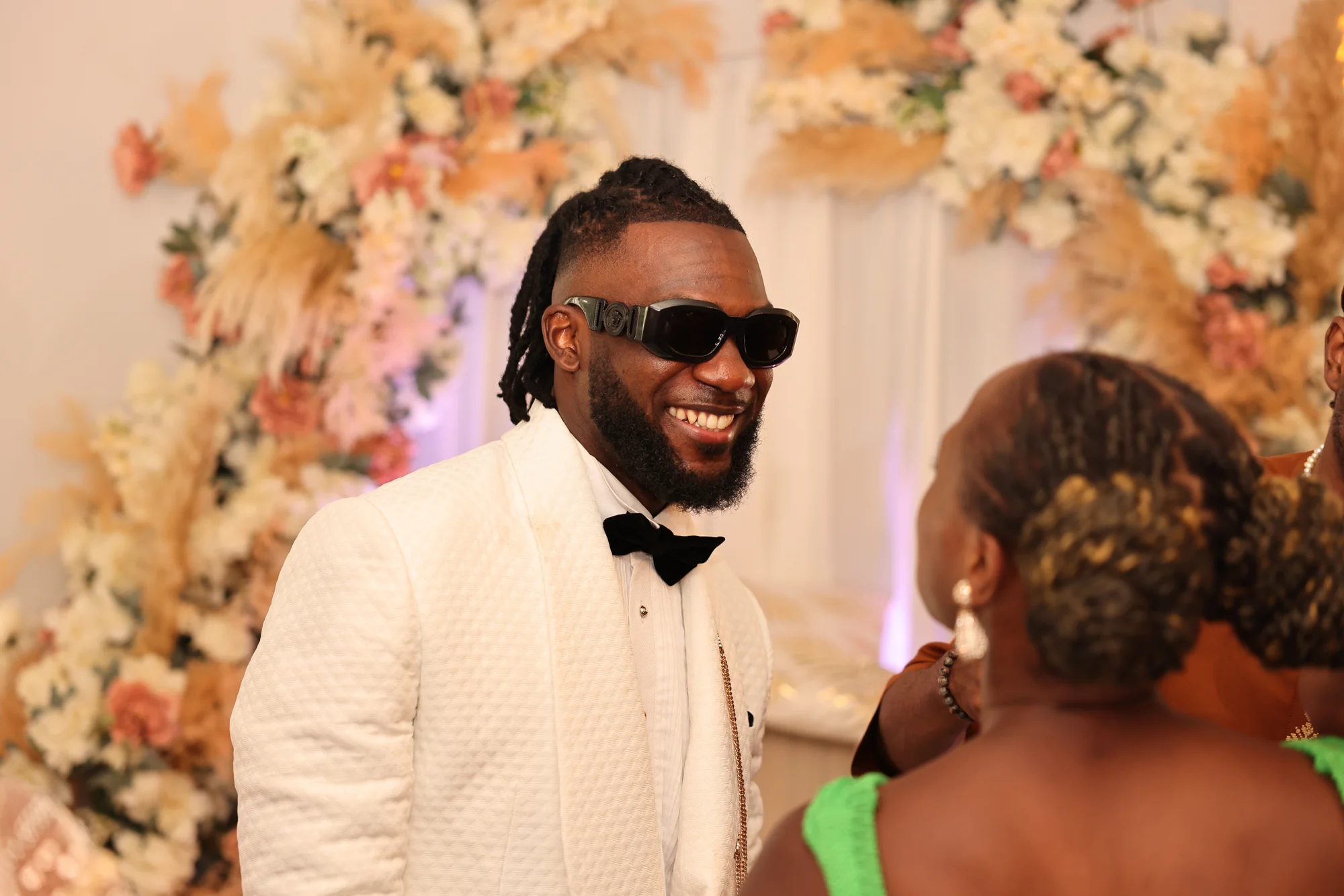
- Real moments. Laughter, tears, hugs and reactions photographed as they happen.
- Little direction. The photographer observes rather than arranges.
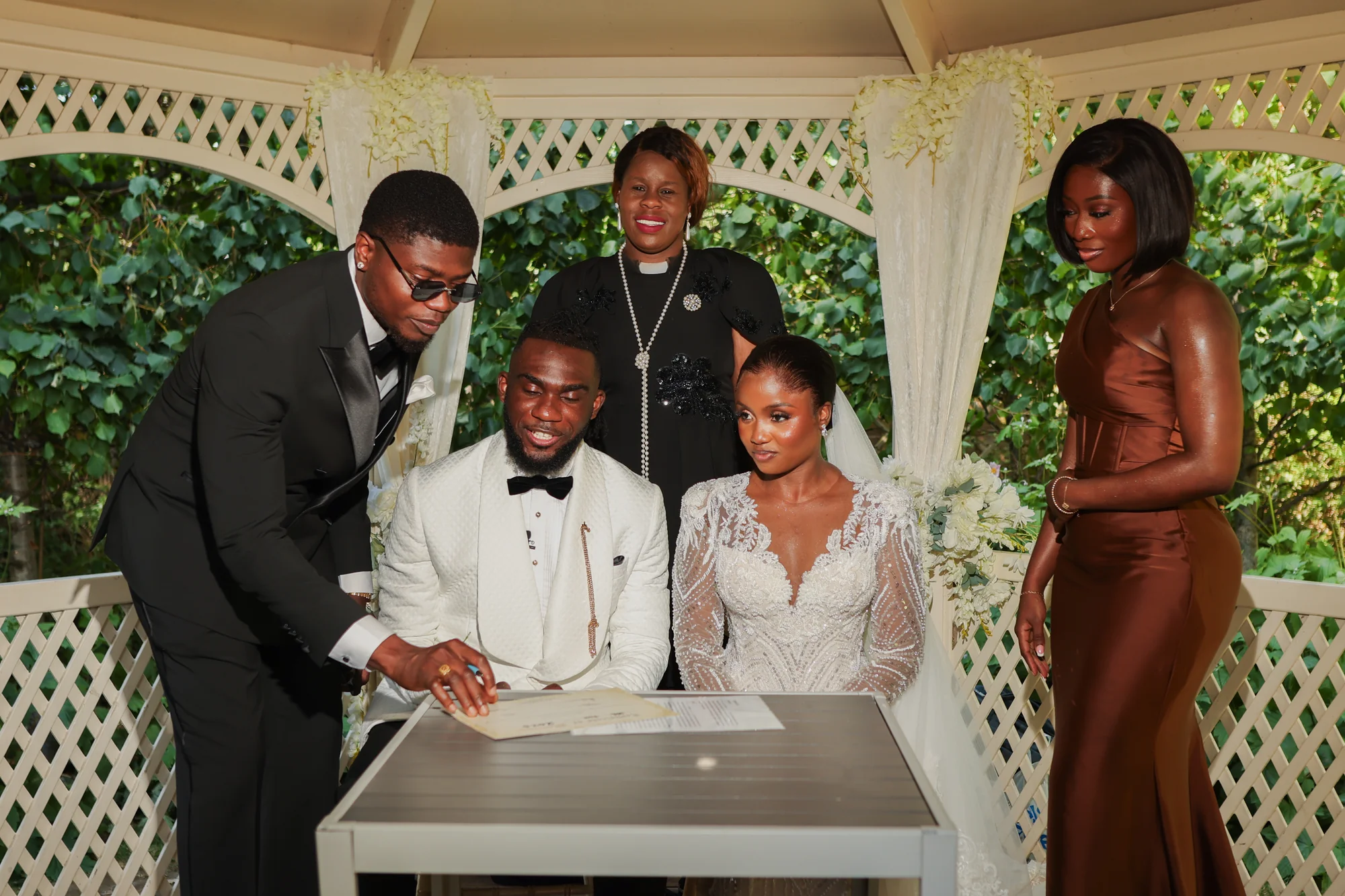
- Unobtrusive coverage. Present through the ceremony, speeches and dance floor without taking over.
- Storytelling. Images that show how the day unfolded and how the room felt.
- Best for: Couples who don’t want to pose all day and care most about genuine emotion.
What editorial wedding photography looks like
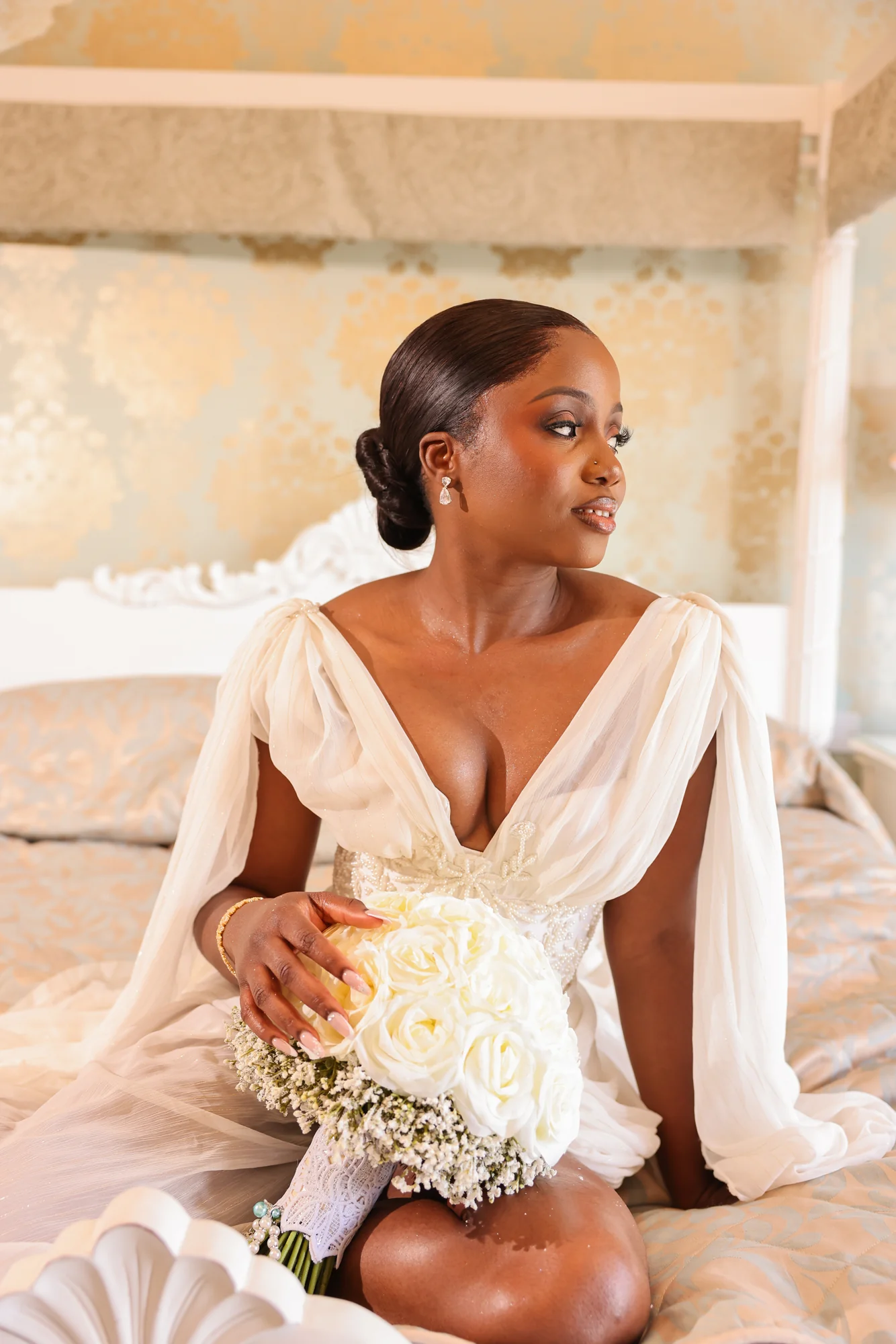
- Directed portraits. Clear guidance on posture, angles and movement.
- Strong composition. Clean framing, considered backgrounds and confident light.
- Fashion energy. Images with a polished, magazine-inspired feel.
- Venue and styling. Designed details, outfits and spaces shown at their best.
- Best for: Couples who love beautiful portraits and want their styling and venue to shine.
Why many couples choose both
- Most of the day: observe. Vows, reactions, hugs and speeches are left to breathe.
- For the portraits: direct. Couple portraits, family groups and fashion-led moments are shaped quickly and confidently.
- One complete story. Details, ceremony, people, portraits and the dance floor in one visual language.
- Less time away from guests. Quick, purposeful direction means portraits don’t take over the day.
You don’t have to choose between documentary and editorial. The skill is knowing when each one belongs.
Documentary vs editorial at a glance
| Documentary | Editorial | |
|---|---|---|
| Approach | Observes the day as it happens | Directs and shapes images |
| Direction | Little or none | Clear and intentional |
| Feel | Natural, emotional, candid | Polished, styled, fashion-led |
| Best moments | Ceremony, speeches, dance floor | Couple portraits, details, groups |
| Time with photographer | Very little posing | More time on portraits |
| Best for | Couples who hate posing | Couples who love portraits |
What to do if you’re unsure which style suits you
- You love both. Look for a photographer who blends documentary coverage with editorial portraits.
- You’re camera-shy. Documentary coverage with short, guided portraits keeps you comfortable.
- You’ve invested in styling. Make sure your photographer will give time to editorial details and portraits.
- Your family wants formal photos. Plan a short, directed group list, even with documentary coverage. See our Wedding Group Photo List.
- You can’t tell the styles apart. Ask to see full wedding galleries, not just highlights.
- You’re worried about too much posing. Ask how long portraits usually take and how much direction is given.
The AOU Studio planning approach
We blend both styles around your day.
- Before the wedding: We ask what matters most to you, from real moments to portraits and styling.
- On the day: We document most of the day naturally, then step in with quick, clear direction for portraits and groups.
- After the wedding: You receive one complete story in a consistent visual style.
Common mistakes to avoid
- Mistake: Choosing a style based on one image. Better: Review full galleries to see the whole approach.
- Mistake: Assuming documentary means no portraits. Better: Ask how portraits and groups are handled.
- Mistake: Assuming editorial means posing all day. Better: Ask how long directed portraits take.
- Mistake: Not telling your photographer your priorities. Better: Share what matters most so they can plan.
- Mistake: Following a trend. Better: Choose a style that will still feel right in ten years.
Practical checklist
- Decided which moments matter most to you
- Looked at documentary and editorial examples
- Reviewed full galleries from your shortlisted photographers
- Asked how much direction they give
- Asked how long portraits usually take
- Shared your styling and venue priorities
- Agreed a short family group list
- Confirmed the balance of styles with your photographer
Nottingham & Derbyshire notes
- Country houses and halls. Grand architecture and grounds suit editorial portraits, while documentary coverage captures the atmosphere inside.
- Barns and mills. Brick, timber and industrial textures work beautifully for both styles.
- City centre weddings. Nottingham streets and civil ceremony venues suit documentary coverage with a short editorial portrait walk.
- Peak District venues. Landscape-led portraits give editorial images real drama.
How AOU Studio approaches this
Documentary heart. Editorial eye. We want you to remember your partner, your people, the ceremony, the jokes and the questionable dancing, not a photographer constantly rearranging you. So we let most of the day unfold naturally, then step in with direction that’s useful, quick and purposeful when it matters.
Frequently asked questions
What is documentary wedding photography?
A natural approach that captures the day as it happens, with little or no direction from the photographer.
What is editorial wedding photography?
A directed approach with strong composition, confident light and a polished, fashion-led feel.
Can we have both styles at our wedding?
Yes. Many couples choose documentary coverage for most of the day and editorial direction for portraits and groups.
Will we have to pose a lot?
Not with our approach. Most of the day is photographed naturally, and portraits are kept quick and purposeful.